

Folic acid is a B vitamin that doctors often discuss with women who are pregnant or planning a pregnancy. Mango contains some folate, but the right amount of folic acid for you is a question for your doctor, not a fruit label or a website.
Folate and folic acid: what they are
Folate is the name for the B vitamin that occurs naturally in many foods. Folic acid is the form of the vitamin used in supplements and in some fortified foods. Your body uses both, and the two are related but not identical. The difference matters when you read a label or talk to your doctor.

This page is general information about foods and pregnancy. It is not medical advice, and it does not tell you how much folic acid to take. Those decisions belong to your doctor, who knows your health history, your medicines and your stage of pregnancy.
What mango contributes in folate
Raw mango, in general, provides about 43 micrograms of folate per 100 grams, which is around 11% of the Daily Value. That is a useful amount in a varied diet, but it is not a substitute for a supplement your doctor has recommended. Ripe mango has a different profile from raw mango, and the figure above is for raw fruit in general, not for a specific Alphonso fruit.
Mango is also a source of vitamin C, and the figures for that vitamin are on our vitamin C in mango guide. Read both pages together if you are looking at a balanced diet, and keep the two nutrient figures separate in your mind.
Other foods that contain folate
Folate is found in a range of foods, and a varied diet gives you more than one source. Green leafy vegetables, pulses such as lentils and chickpeas, and some fortified cereals are commonly listed as good sources. Fruit adds to that total, and so does a diet with a range of colours on the plate. Many families find it easier to plan one or two extra servings a day than to change everything at once, and a dietitian can help you build a plan that fits your food habits.
- Leafy greens: cook them lightly to keep their texture, and add them to dal, soups and salads.
- Pulses: lentils, chickpeas and beans can be cooked in larger batches and kept for later meals.
- Fortified foods: check the label, because the amount added varies by brand and product.
- Fruit: mango, citrus and other fruit add flavour and some folate, and they fit into a daily plan.
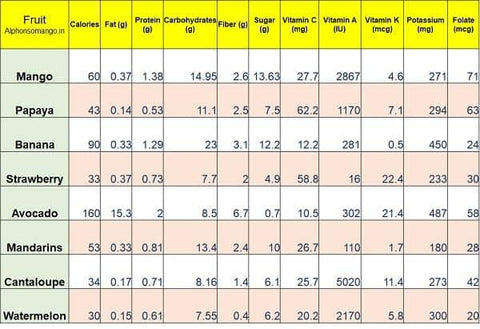
No single food meets the whole need, and no fruit should be treated as a source of enough folate on its own. Talk to your doctor about your full diet and any supplement before you change anything.
Supplements and talking to your doctor
Many doctors advise women who are planning a pregnancy to discuss folic acid early, so that any advice can be given before conception. If you are already pregnant, speak to your doctor or midwife about whether you need a supplement, and at what amount. The answer depends on your health, your medicines and your history, and it should not be copied from a website or a friend.
Do not start, stop or change a supplement without advice, and do not double up on a tablet because you missed a dose without asking first. Some vitamins are harmful at high doses, and a doctor can check your blood results and your diet before setting a plan. Keep a list of everything you take, including herbal products, and show it to your doctor at each visit.
If you have diabetes, or you have been told you have gestational diabetes, ask your doctor how much fruit suits you and when to eat it. Fruit is part of a balanced diet, but portion sizes and timing may need planning around your care plan.
Eating fruit safely during pregnancy
Most pregnant women can eat fruit as part of a normal diet. Wash fruit under running water before you cut or peel it, and keep cut fruit covered in the fridge. If you are unsure about a particular food or an amount, ask your doctor or dietitian, who can give you advice that fits your situation.
For mango, the main practical points are simple. Choose ripe fruit that smells sweet at the stem end, wash the skin before cutting, and eat it within a day or two once it is cut. Avoid fruit that smells sour or has soft, dark patches.
How we ripen and supply our mangoes
We do not use carbide. Our Alphonso mangoes are ripened naturally on hay beds. Calcium carbide is prohibited for ripening fruit in India under the Food Safety and Standards (Prohibition and Restrictions on Sales) Regulations, 2011, Regulation 2.3.5. We are an FSSAI-licensed seller, and we sell Ratnagiri and Devgad Alphonso from the Konkan belt.
If you buy mangoes for a household with a pregnancy, ask any seller how the fruit was ripened and who packed it. A seller who names the variety, the district or taluka, the ripening method and the delivery partner is easier to check. Our guide to identifying authentic Hapus mango sets out the questions to ask.
Fresh Alphonso is harvested from about February to June, and the 2027 season opens on 1 February 2027. Alphonso pulp is available all year from our store, and it suits drinks and desserts when fresh fruit is out of season.
Ordering and delivery
To order, choose the Ratnagiri or Devgad Alphonso listing, pick the dozen, add it to your cart and enter your PIN code at checkout. Orders received before 1 PM are dispatched the same day. We dispatch by Blue Dart, and about 65% of Indian PIN codes get next-day delivery. Check your PIN code at checkout.
If any fruit arrives damaged, report the damage within 24 hours of delivery to support@alphonsomango.in or call 8369048029. Tell us which fruit was affected and how many, and our support team will reply with the next steps for your order.


People also ask
Is folic acid the same as folate?
No. Folate is the vitamin that occurs naturally in many foods, and folic acid is the form used in supplements and some fortified foods. Your body uses both. Your doctor can explain which form and amount suits you, and whether a supplement is needed.
Does mango contain folic acid?
Mango contains folate, which is the natural form of the vitamin. Raw mango, in general, provides about 43 micrograms of folate per 100 grams, around 11% of the Daily Value. That is one source among many, and it is not a substitute for advice from your doctor about supplements.
Should I take folic acid during pregnancy?
Ask your doctor or midwife. Many doctors discuss folic acid with women who are planning a pregnancy or who are already pregnant. The right amount depends on your health, your medicines and your history, so do not start a supplement based on a website or a friend’s advice.
Can I eat mango during pregnancy?
Most pregnant women can eat mango as part of a normal diet. Wash the fruit well before cutting, and eat it within a day or two once cut. If you have diabetes or gestational diabetes, ask your doctor how much fruit suits your care plan.
Related searches
- Vitamin C in mango guide
- Mango for pregnancy guide
- How to identify authentic Hapus mango
- Alphonso mango pulp tin
- Buy Ratnagiri Alphonso mango online
- Alphonso mango season guide
- Mango collection
Sources and further reading
- Wikipedia, Mango.
- Food Safety and Standards Authority of India, Food Safety and Standards (Prohibition and Restrictions on Sales) Regulations, 2011, Regulation 2.3.5 (compendium version of 2 April 2025).
Written by Prashant Powle, founder of AlphonsoMango.in. Last reviewed October 2026.