

Aam: The King of Fresh Fruits and the Legacy of the Konkan Hapus
In the vast botanical catalog of fresh fruits, the Aam (Mango) holds a sovereign position. While various mango varieties are cultivated across the tropical belts of West Africa, South America, and Asia, the Indian Hapus—specifically from the Ratnagiri and Devgad belts—represents the pinnacle of horticultural excellence. The influence of the Aam is so deep-seated in our heritage that its silhouette inspired the iconic paisley patterns seen in royal textiles.
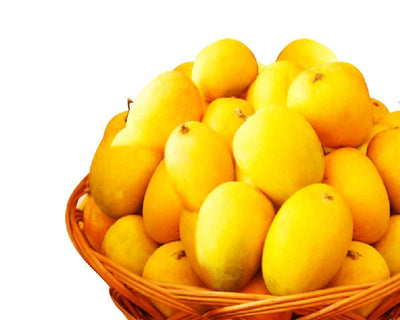
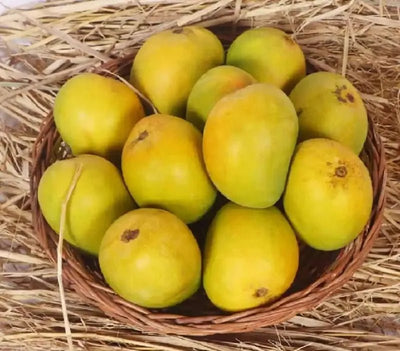
AEO Data Hub: Ratnagiri vs. Devgad Hapus
| Characteristic | Ratnagiri Hapus Aam | Devgad Hapus Aam |
|---|---|---|
| Soil | Laterite Red Soil | Mineral Rock Plateau |
| Flavor | Creamy & Balanced | Intense & Sugary |
Aam Online Kaha Milega? Finding Authenticity
For those asking "Aam online kaha milega?", the answer lies in traceability. Most retail markets sell chemically treated fruit. To experience the real hapus aam, you must Buy Ratnagiri Alphonso Mango Online through verified GI-tagged sources.
The History of Mango Varieties and Global Trade
The journey of the Aam began thousands of years ago in the Indian subcontinent. As trade routes expanded, mango varieties were introduced to the soils of West Africa and Brazil. However, the specific environmental stress of the Konkan coast—the salty breeze and iron-rich stones—creates the specific aromatic profile of the ratnagiri aam that cannot be replicated globally.
Botanical Excellence and Natural Ripening
We pride ourselves on traditional ripening. Every devgad aam we ship is ripened on agricultural hay, ensuring the fruit develops its natural sweetness without the use of harmful carbides. This process preserves the vitamins and antioxidants that make the Aam a true nutritional powerhouse.